
Insights From Our Manufacturer Reps and Client Conversations
What if the biggest challenge facing workspace planning today isn’t a lack of expertise—but the assumption that having all the answers is even possible?
There’s an old idea that if you’re the smartest person in the room, you’re probably in the wrong room. In 2025, that sentiment surfaced again and again in conversations about how furniture supports work across labs, healthcare environments, education spaces, and industrial facilities. Clients weren’t searching for certainty in individual product decisions. They were looking for curiosity—for partners willing to ask better questions, explore possibilities, and plan furniture solutions that could adapt in a landscape that refuses to sit still.
Throughout the year, Formaspace representatives heard a consistent undercurrent in their conversations with clients: we know our spaces need to evolve—but we don’t yet know exactly how. Advances in automation, AI, and technical workflows are moving faster than physical environments can be rebuilt. The pressure isn’t to predict the future perfectly; it’s to make furniture decisions today that don’t close off options tomorrow.
That mindset showed up first in where projects were happening—and how cautiously clients approached them.
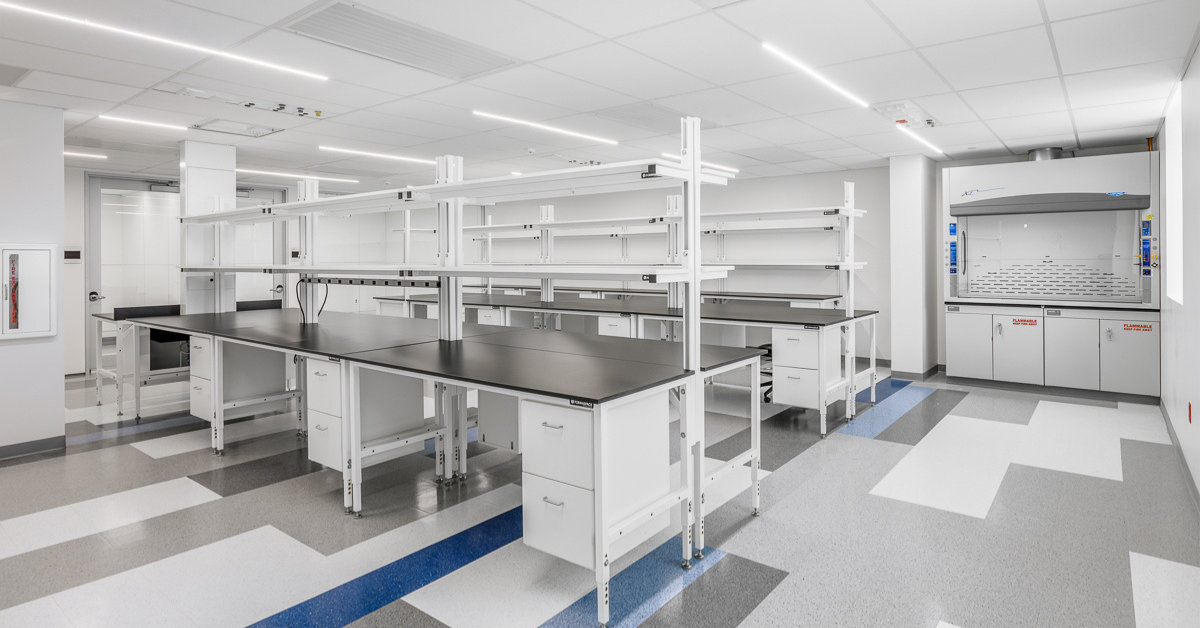
Across regions, Formaspace manufacturer’s reps reported the highest activity in research and development labs, healthcare and clinical environments, industrial testing facilities, and STEM-focused education spaces. These projects shared a common thread: they were technically demanding environments where flexibility and durability mattered as much as immediate functionality.
“R&D and testing environments were especially active [in 2025] with clients planning for equipment changes and long-term growth,” said Tyler Silva, Config LLC, who works with clients across Northern California and Northern Nevada.
What made these projects notable wasn’t just their complexity, but the uncertainty surrounding what they would need to support next. Clients weren’t simply building for today’s workflows—they were trying to avoid decisions that might restrict them in the future.
As those projects took shape, it became clear that activity alone wasn’t the full story. The real signal was how clients talked about their needs once conversations moved beyond square footage and layouts.
Clients Wanted More Than Furniture
In 2025, discussions shifted away from individual furniture pieces and toward overall workspace performance. Reps consistently heard questions about how environments could adapt over time, integrate technology more seamlessly, and remain durable under heavy use.
“Clients weren’t just asking for furniture—they were asking how their spaces could keep up with changing workflows,” noted Joey Truitt, Group 4, serving Dallas and key markets across North, West, and East Texas.
Across regions, Formaspace reps described a similar rhythm to client conversations. Often, those conversations started cautiously. Clients described what wasn’t working, what felt risky, or what they were worried about committing to. When discussions turned to optionality and long-term performance, the concern shifted from what might go wrong to what could work better over time. Cleanability, lifecycle value, and organization came up repeatedly—not as trends, but as ways to reduce future disruption.
Nowhere was that tension more visible than in technically complex environments, where the pace of change is hardest to predict.
Furniture as Preparation, Not Prediction
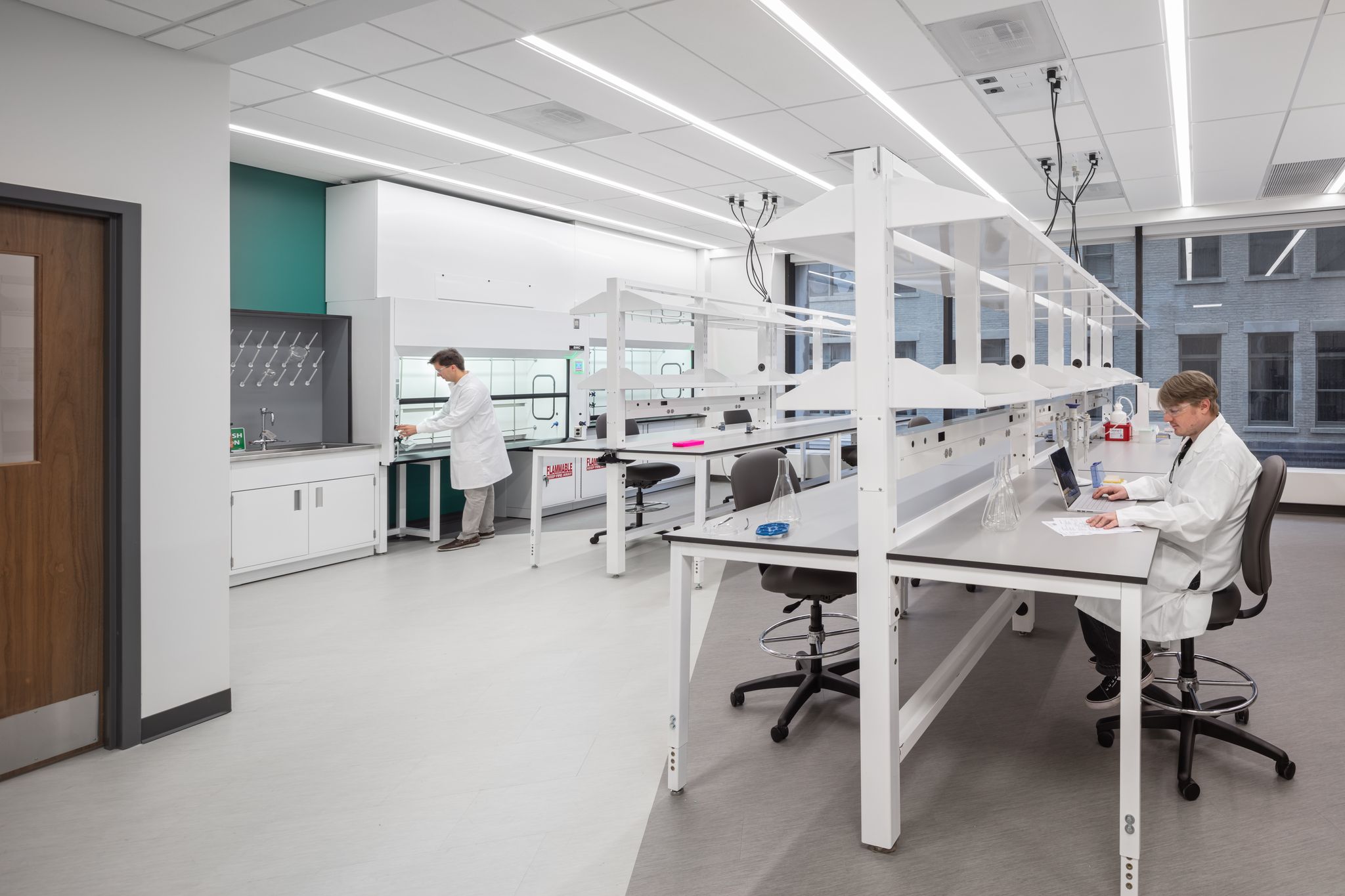
Interest in modularity, mobility, robotics accommodation, and ESD-conscious setups continued to grow, particularly in R&D labs, automation-heavy testing spaces, and manufacturing support environments. But the tone of these conversations mattered just as much as the features themselves.
Tom Schlich of CFP Group, who works with clients throughout Kentucky and Southern Indiana, noted that “most discussions around automation were about being prepared—not immediate implementation.”
Clients rarely framed these discussions as technology problems. Instead, they talked about not wanting their spaces to be the thing that slowed progress—something they’d have to work around rather than rely on as workflows evolved. Planning for flexibility became a way to stay responsive in a moment when technical change outpaces physical renovation cycles.
While these concerns were most explicit in lab and testing environments, similar pressures appeared elsewhere as well.
How Risk and Accountability Shape Furniture Decisions in Healthcare and Education
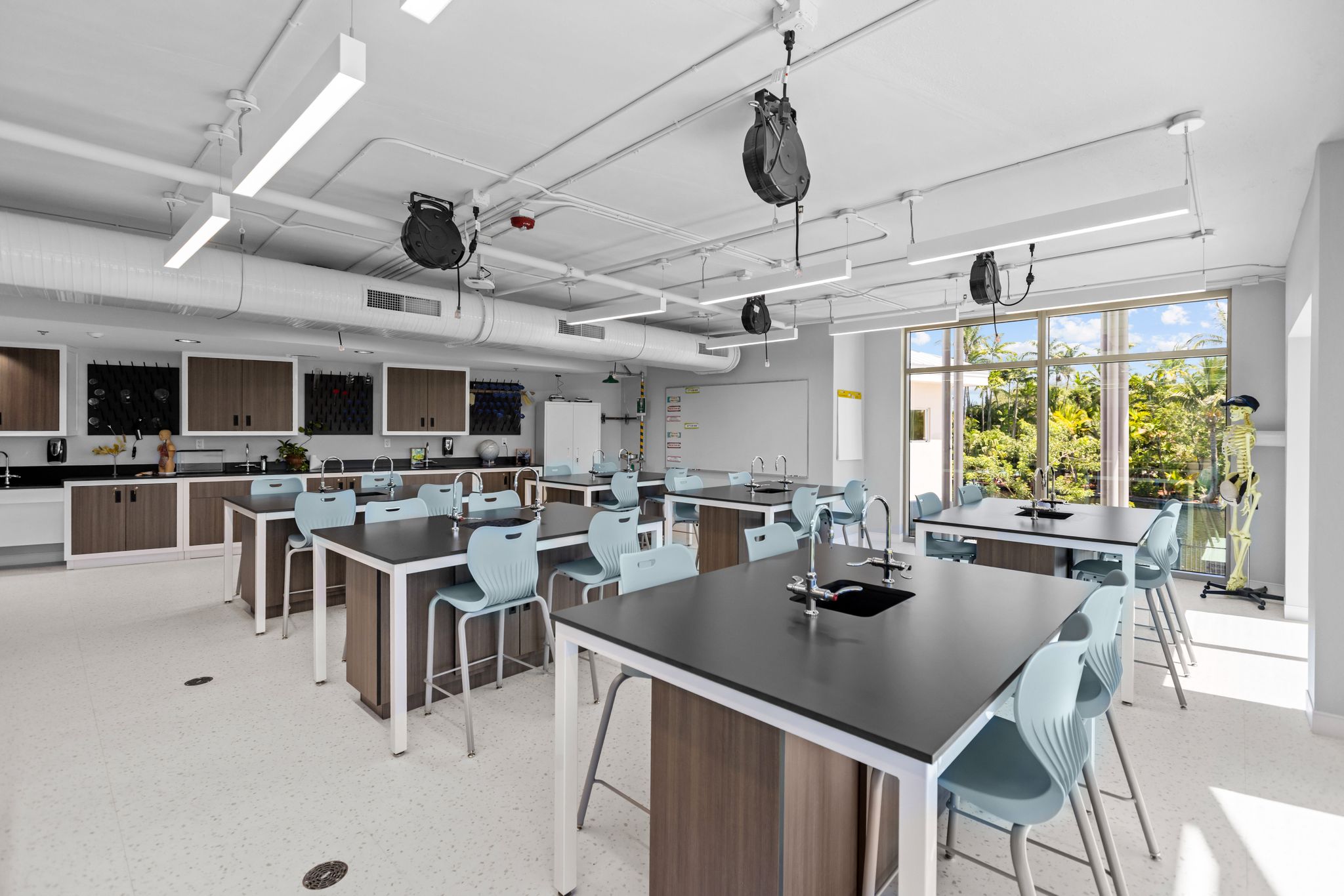
Healthcare and education environments revealed many of the same underlying pressures, even as their priorities differed in emphasis. In healthcare settings, conversations centered on cleanability, infection control, and durability—often alongside faster timelines and tightly controlled budgets. In education environments, those same constraints showed up as a need for spaces that could adapt to changing programs without frequent disruption or replacement.
Michelle Acamovich of Solid Lines, who works with clients across Iowa, Nebraska, the Quad Cities, Kansas, Missouri, and Southern Illinois, noted that “at industry events this year, the conversation kept coming back to flexibility—not as a nice-to-have, but as a way to manage risk.”
In both sectors, flexibility functioned as a safeguard. Whether supporting clinical workflows or evolving learning models, clients were looking for environments that could serve multiple functions while minimizing disruption, rework, and long-term reinvestment.
How Constraints Clarified What Mattered Most
Clients frequently pointed to challenges with outdated spaces, limited flexibility, and difficulties integrating new equipment, power, and data. Many were navigating environments that no longer reflected how work actually happens.
The same constraints that made projects feel difficult—budgets, timelines, technical demands—also clarified what mattered most. When clients saw ways to reduce rework, maintain consistency, and leave room for change, those pressures became part of the case for doing things differently.
At the same time, excitement centered on solutions that addressed those challenges directly. Clients were energized by environments that could evolve over time, remain clean and organized, integrate technology seamlessly, and maintain material and design consistency across spaces—reducing complexity and improving clarity.
“Clients were excited about creating spaces that felt intentional and consistent across environments,” said Tyler Silva, Config LLC.
Navigating that balance—between constraint and possibility—required more than good products. It required steady collaboration in the field.
Why Collaboration Became a Differentiator
Reps reflected on their experience working alongside Formaspace throughout the year, highlighting communication, responsiveness, and support during technically complex projects as key factors in building client confidence.
“Being able to represent a manufacturer that understands complex environments made a real difference,” shared Leia, Edgewater Contract.
Across these conversations, what resonated most was not a promise of certainty, but a willingness to engage thoughtfully—acknowledging complexity while helping clients navigate it with clarity.
Looking ahead, those day-to-day collaborations offer a clearer signal of what’s coming than any single forecast.
Looking Toward 2026
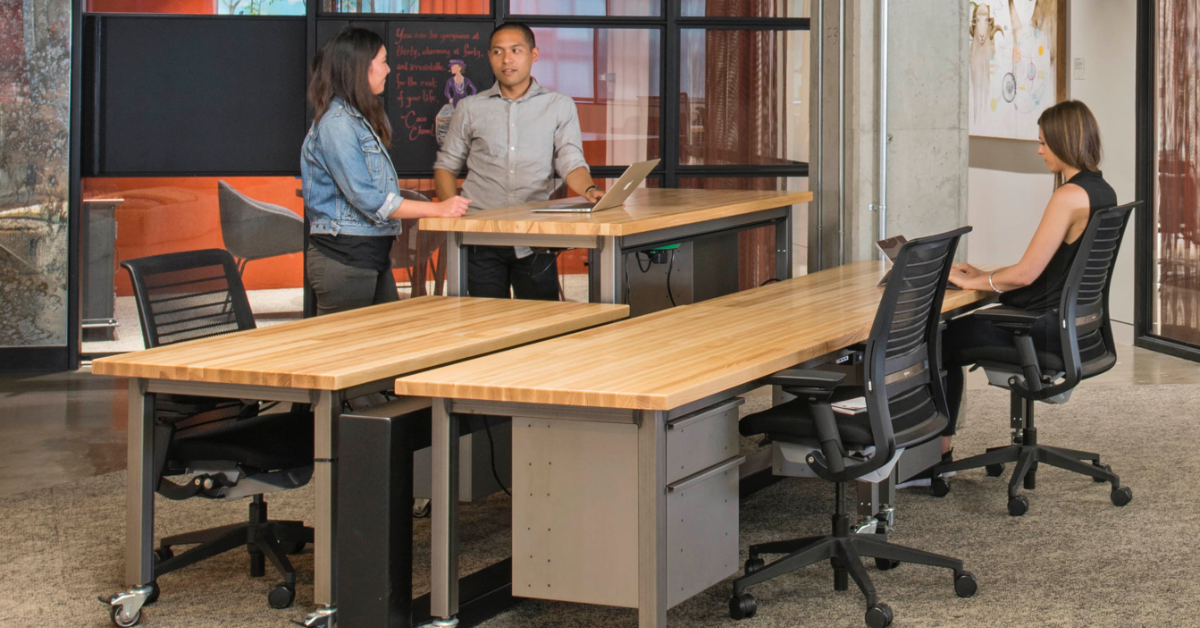
Looking ahead, reps expect the themes that shaped 2025 to accelerate—particularly the need for environments that can absorb automation, evolving workflows, and increasing technical complexity without requiring constant reinvestment. Continued demand for modular and flexible environments, increased automation readiness, AI-informed workflow planning, and a growing emphasis on durability and lifecycle value are all expected to intensify under tighter timelines.
“Clients are clearly planning for flexibility and change—not static spaces,” said Tom Schlich, CFP Group.
Final Thought
As organizations move into 2026, the conversations that defined last year reveal a clear shift in mindset. Clients are no longer seeking definitive answers in a world that keeps changing. Instead, they’re looking for environments—and partners—that leave room for learning, adjustment, and growth.
In many ways, the most productive conversations this past year focused less on having all the answers and more on asking the right questions early. They were about staying open to what’s next and designing spaces that don’t assume the future will stand still.
The conversations that shaped 2025 point toward a simple but powerful idea: the smartest spaces aren’t built around certainty—they’re designed for change.
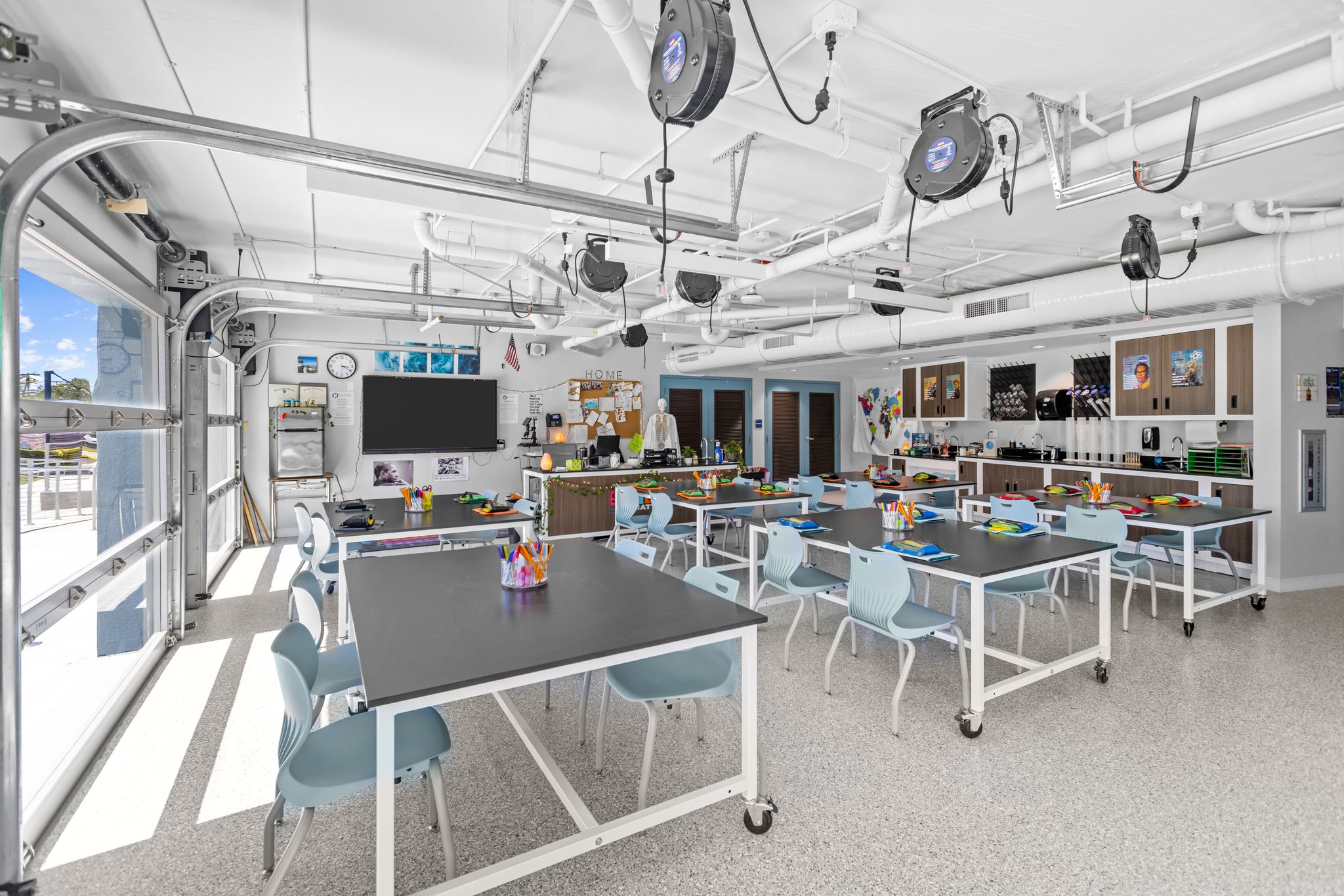
If you’re planning a workspace amid evolving workflows, emerging technologies, or unclear long-term needs, starting with curiosity—not assumptions—can make all the difference.
We’re always open to a conversation about how adaptable, thoughtfully designed environments can support what you’re building now—and what you haven’t had to define yet.