
Lab Design Conference 2026 may be smaller than some of the industry’s larger trade events, but the conversations happening there tend to be highly focused and closely connected to active laboratory projects already in planning.
This year’s event reinforced several priorities continuing to shape modern laboratory environments, including:
- adaptable and modular infrastructure
- long term lifecycle planning
- operational efficiency across projects
- integrated collaboration between stakeholders
- laboratory environments designed to evolve over time
Formaspace was proud to participate at Booth #52 alongside lab seating partner Cramer. Together, the shared booth created opportunities for deeper conversations around how laboratories function as complete working environments, where furniture, ergonomics, flexibility, and workflow all need to work together successfully.
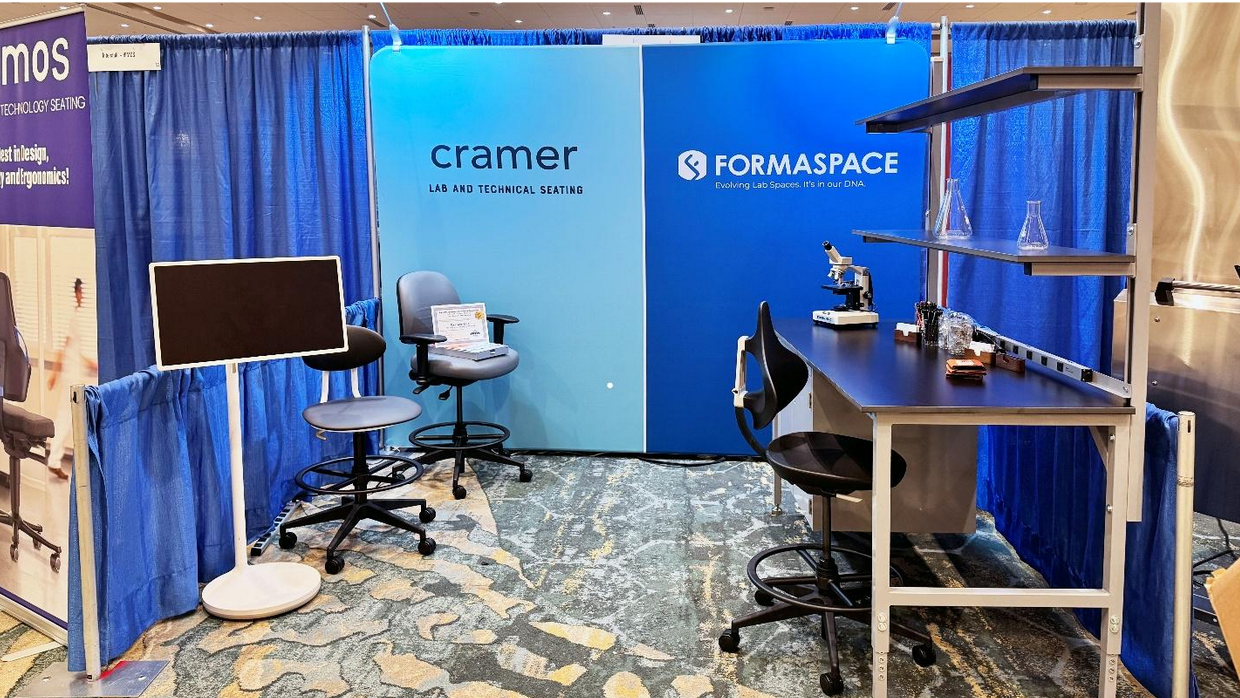
Many attendees were already familiar with Formaspace through previous exposure within the A&D community, which led to more strategic discussions around project delivery, customization, and evolving laboratory requirements.
For those who could not attend the event, you can still explore our conference landing page here: https://formaspace.com/inspiration/events/ldc-2026/
Flexibility and Modularity Continue to Drive Lab Planning
One of the clearest themes throughout the conference was the growing demand for flexibility and modularity in laboratory environments.
Attendees repeatedly discussed the need for laboratory environments capable of adapting alongside changing workflows, technologies, equipment requirements, and team structures. Instead of designing around fixed assumptions, many organizations are now prioritizing infrastructure that can support changing applications years after installation.
Several recurring themes surfaced during booth conversations:
- adaptable laboratory layouts
- modular furniture systems
- coordination between trades
- renovation and tenant improvement challenges
- installation planning and project management
- long-term usability and lifecycle value
“One of the biggest themes throughout the conference was that successful lab projects are increasingly defined by execution,” said Brett Gray, Design Manager at Formaspace. “Flexibility, coordination, and project management are becoming just as important as the products themselves.”
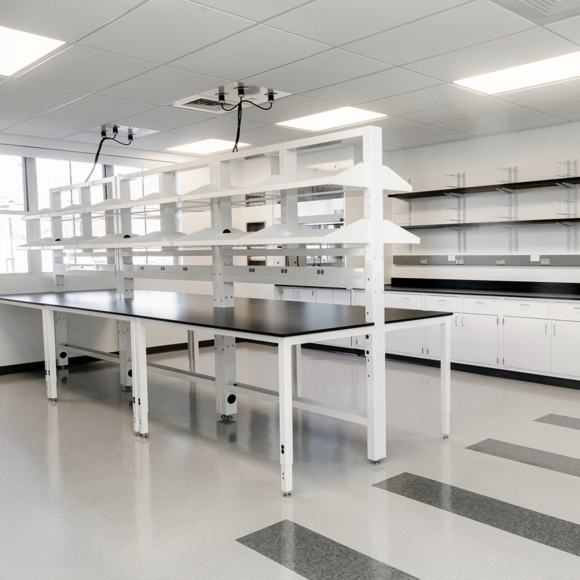
Operational Coordination Is Reshaping Laboratory Projects
This shift reflects a broader industry reality. Laboratory projects are becoming more expensive, timelines are tighter, and organizations are increasingly cautious about investing in environments that may become outdated too quickly.
Throughout the conference, conversations consistently extended beyond furniture specifications and into the broader operational realities surrounding laboratory delivery. Attendees frequently raised concerns about:
- installation coordination
- project management
- scheduling
- integration between trades
- renovation logistics
- long term maintainability
These concerns were especially common in renovation and tenant improvement discussions, where existing building conditions and accelerated timelines often create additional layers of coordination complexity.
General contractors attending the event were primarily focused on cost control, scheduling, and installation efficiency, while architects were more concerned with designing environments capable of supporting changing user needs years into the future.
Across both groups, one consistent priority emerged: creating laboratory environments that balance adaptability, performance, and realistic project execution.
Rising Costs Are Influencing Infrastructure Decisions
Cost pressure was another recurring topic throughout the conference.
Several seminars and attendee conversations focused on how owners and laboratory operators are attempting to manage escalating costs without sacrificing performance or future flexibility.
One trend discussed repeatedly involved owners sourcing equipment independently in an effort to reduce upfront expenses. While understandable from a budgeting perspective, this approach can sometimes create additional coordination and installation challenges later in the project lifecycle.
The broader concern underlying many of these conversations was how to balance:
- budget constraints
- long-term adaptability
- project timelines
- operational continuity
Many of these themes align closely with Formaspace’s recent whitepaper, Beyond Fixed Casework: Lab Infrastructure Strategies for Long-Term Resilience, which explores modular infrastructure planning, lifecycle cost optimization, and long-term adaptability in laboratory environments.

Download the whitepaper here:
https://formaspace.com/inspiration/whitepapers/lab-infrastructure-strategies/
A More Human Approach to Laboratory Environments
While much of the conference focused on planning and execution, attendees also responded positively to environments that felt more approachable and less institutional.
At Booth #52, several visitors commented on the Formaspace aesthetic and were refreshed to see something different from the traditional “white gloss bench” presentation commonly associated with laboratory furniture.
Sharing the booth with Cramer also reinforced the growing importance of designing laboratories as complete working environments, where ergonomics, mobility, comfort, and flexibility all contribute to long-term performance and user experience.
These conversations reflected a broader shift happening across the industry:
- laboratories designed for evolving workflows
- environments that support collaboration
- integrated spaces connecting lab and office functions
- furniture systems designed for long-term adaptability
Looking Ahead
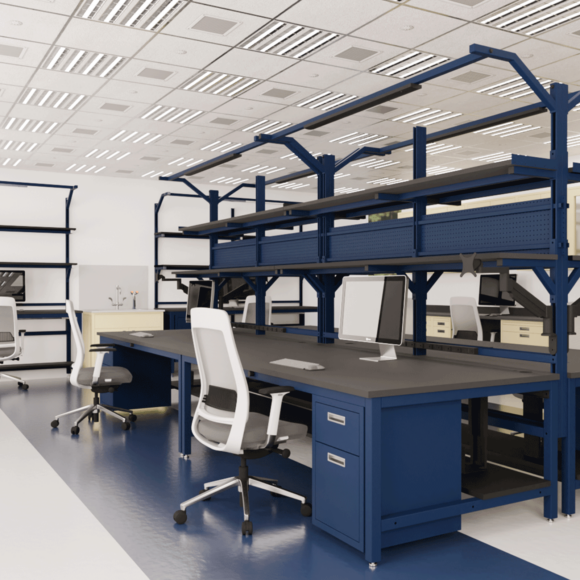
Another notable takeaway from Lab Design Conference 2026 was the nature of the projects being discussed. Most conversations centered around active laboratory developments scheduled roughly 18 to 24 months out, with many focused on new laboratory construction and future expansion planning.
That long planning horizon reflects how much emphasis organizations are now placing on adaptability and operational resilience from the earliest stages of project development.
For Formaspace, the conference reinforced a continued industry shift toward:
- modular laboratory environments
- coordinated project delivery
- long-term flexibility
- integrated planning across spaces and workflows
- infrastructure designed to evolve over time
Formaspace appreciates everyone who stopped by Booth #52 during the event and looks forward to continuing these conversations throughout the year.
If you have questions about an upcoming laboratory project, renovation, or expansion, contact the Formaspace team here:
https://formaspace.com/contact/