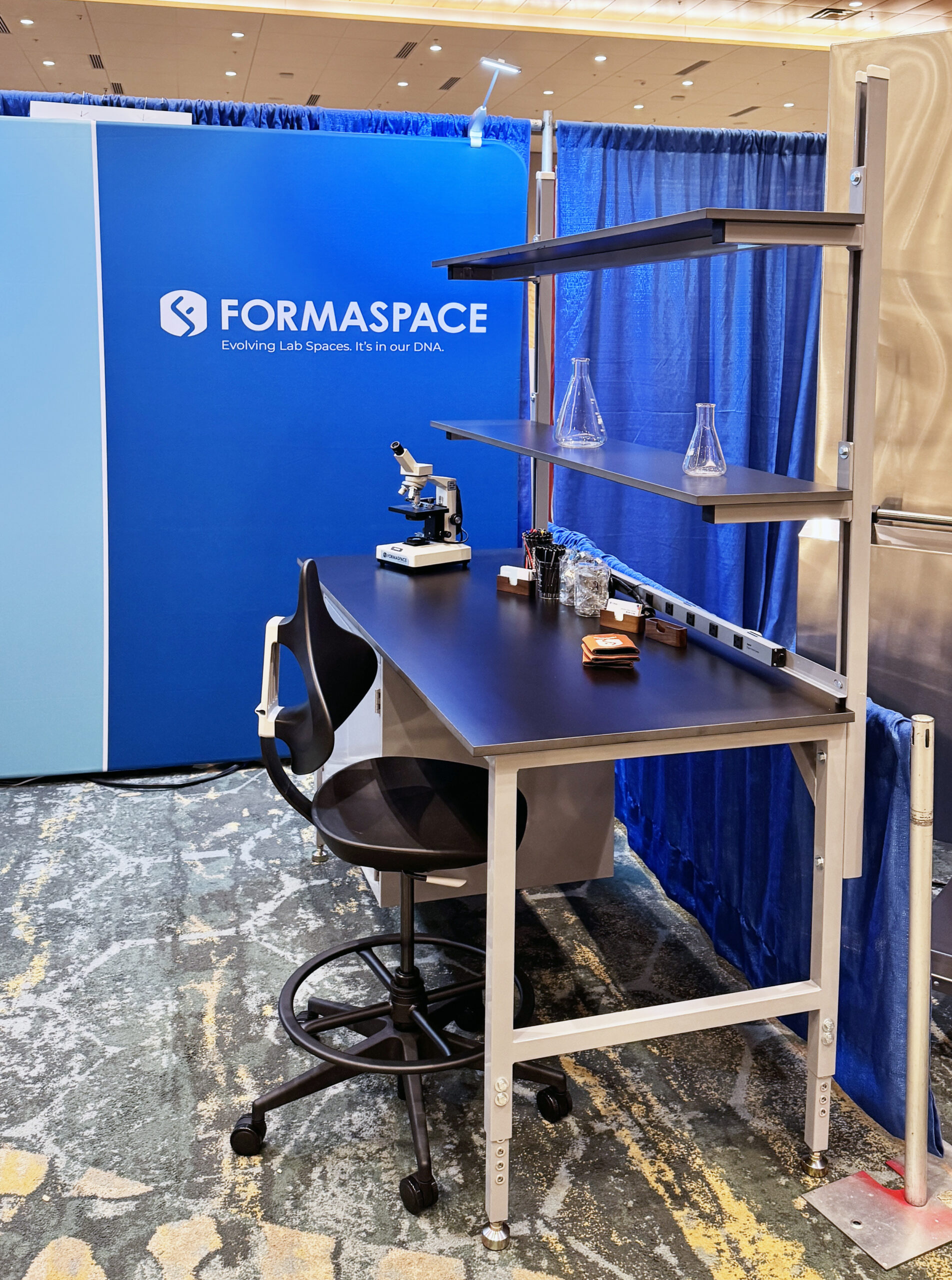
Thank you to everyone who visited Formaspace at Lab Design Conference 2026.
The conversations throughout the event reinforced many of the themes shaping today’s laboratory environments, including flexibility, long-term adaptability, integrated infrastructure, and the growing importance of project coordination from planning through installation.
Designing a lab today isn’t just about the lab.
Teams are more connected. Workflows evolve faster. And the line between research spaces, offices, and collaboration areas continues to blur. Yet many projects still treat these environments as separate decisions, leading to coordination gaps, rework, and missed opportunities later in the process.
One of the strongest takeaways from this year’s conference was the industry’s continued shift toward more flexible and integrated environments that can evolve alongside changing technologies, research needs, and team workflows.
This page highlights how Formaspace approaches modern lab environments through modular systems, co-created solutions, and coordinated spaces designed to support both current needs and future change.
Whether you’re planning a new laboratory, renovation, or expansion, we’d welcome the opportunity to continue the conversation and support your next project.
NextGen Labs: On-Carpet | Off-Carpet
Modern labs don’t operate in isolation anymore, and the spaces that support them shouldn’t either.
NextGen Labs is a simple idea with significant implications: design lab, office, and collaboration environments as a single, connected system rather than separate scopes.
- Off-carpet spaces: wet labs, technical environments, research zones
- On-carpet spaces: offices, write-up areas, collaboration hubs, data analysis stations
Most facilities treat these as separate problems with separate budgets, separate vendors, and separate design briefs. The result is a gap between where discovery happens and where it gets applied. Students lose time. Researchers lose momentum. Teams lose visibility into each other’s work.
When these environments are planned and delivered together, teams benefit from clearer workflows, fewer handoff points, and better visibility across disciplines.
You get:
- Less wasted movement and faster workflows
- Stronger collaboration across disciplines
- Spaces that reflect how science is actually taught and practiced today
- Environments that help attract and retain top talent
This isn’t just a furniture decision. It’s an infrastructure strategy that influences planning, specification, coordination, and long-term facility performance.
We explored this in depth in our 2026 Education Lab Infrastructure Report.
Delivering the System: One Manufacturer for All Spaces
One of the biggest challenges in lab projects isn’t design—it’s coordination.
Multiple vendors. Inconsistent standards. Rework during installation.
It adds friction where there shouldn’t be any.
Formaspace simplifies that.
With one manufacturer supporting all spaces, project teams gain:
- Coordinated systems across lab, administrative office, and collaboration areas
- Consistent materials and quality standards
- Fewer gaps between design intent and installation
- A smoother path from concept through completion
This approach allows architects and project teams to maintain design intent while reducing downstream complexity.
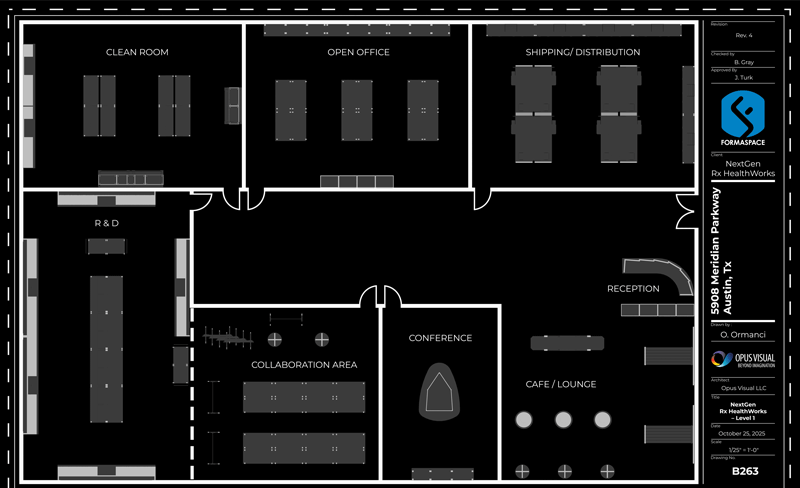
This diagram illustrates how Formaspace solutions can support every environment within a modern organization—from research and development to manufacturing, logistics, and collaborative workspaces.
Co-Create: Custom Without Starting from Scratch
Some lab projects require solutions that go beyond standard configurations. Specialized workflows, unique spatial constraints, and specific equipment requirements don’t always have an off-the-shelf answer.
Formaspace’s Co-Create: Fit & Finish process is a structured approach to developing fully custom furniture solutions — without the open-ended complexity that custom typically implies. Design, engineering, and manufacturing work together from the start, so solutions are intentional, buildable, and aligned with how the space will actually be used.
The process follows three clear stages:
| Define | Design | Deliver |
| Establish requirements before design begins. Workflow needs, spatial constraints, equipment considerations, and project parameters are documented and aligned with all stakeholders. | Translate requirements into buildable solutions. Layout, materials, and configurations are refined iteratively by design and engineering until the solution is ready for production. | Move approved designs into fabrication with quality control checkpoints throughout. Final inspection confirms alignment with project requirements before shipment, with installation support available as needed. |
 |
 |
 |
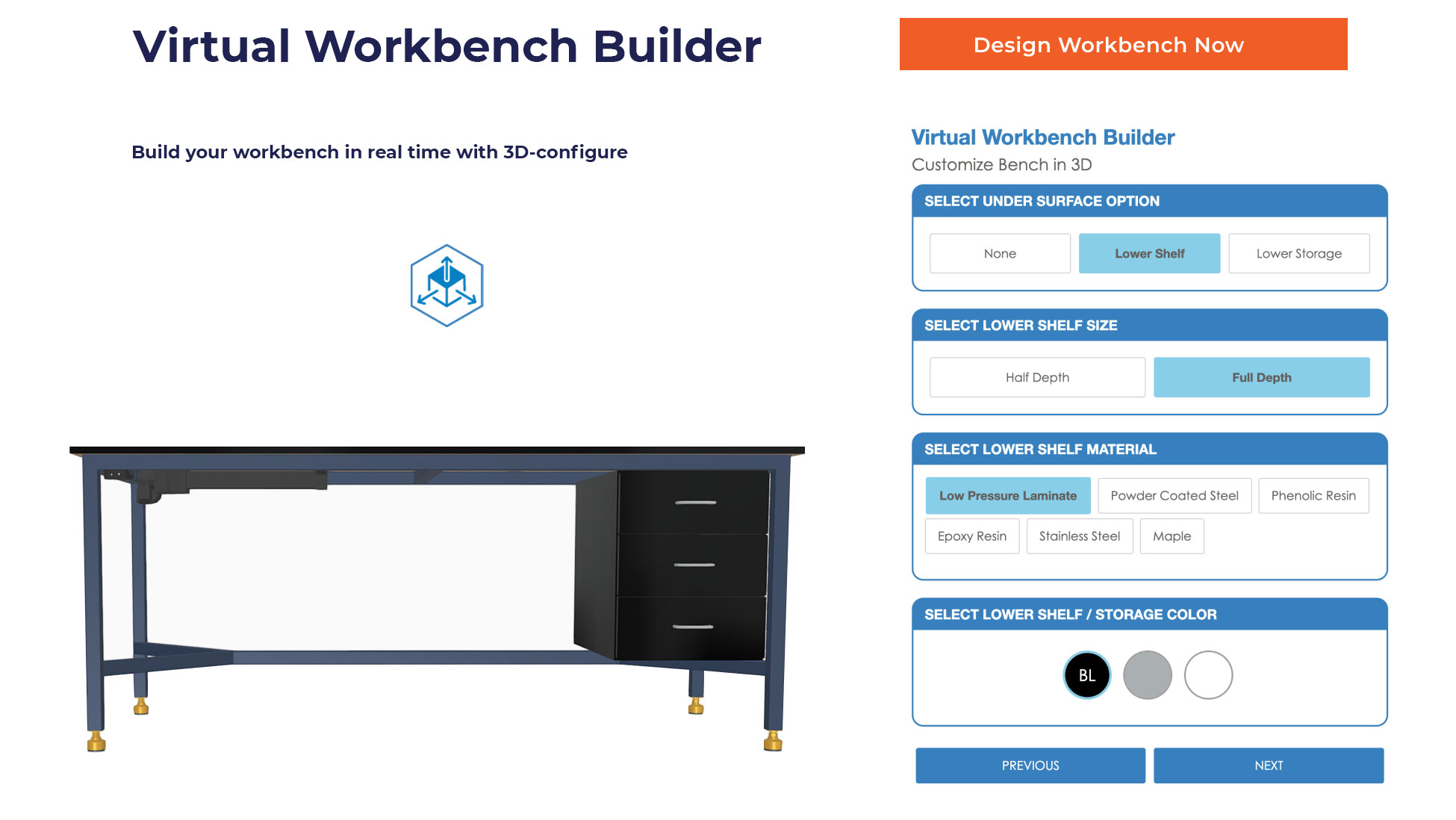
Custom workbench solutions are developed around real workflows, integrating layout, surfaces, storage, and accessories to support performance, durability, and long-term use across laboratory, educational, industrial, and commercial environments.
You stay in control of the design intent. Formaspace provides the process and the manufacturing capability to execute it.
In Partnership with Cramer: The Right Bundle for Laboratory Environments
Great lab environments don’t stop at the bench.
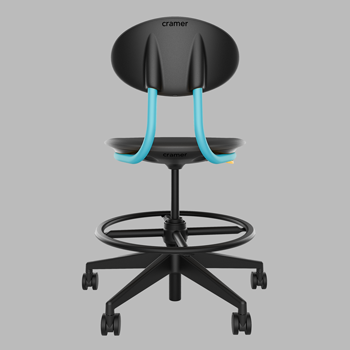
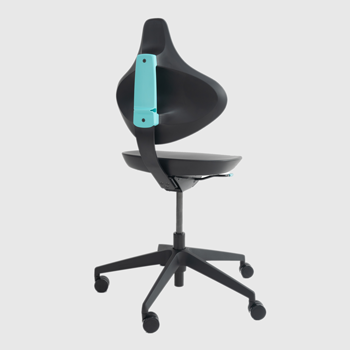
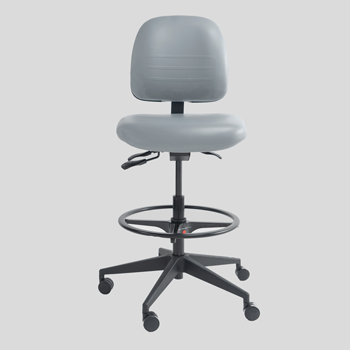
That’s why we’re partnering with Cramer at Lab Design Conference to show how seating and workstations function together as part of a complete system.
From focused lab work to collaboration and transition spaces, seating plays a critical role in:
- Ergonomics and user comfort
- Mobility across different tasks and environments
- Supporting long hours of precise work
Together, Formaspace and Cramer create environments that are not only functional but truly usable.
 |
 |
 |
Download Loop Catalog |
Download Helix Catalog |
Download Fusion Catalog |
Core Systems We’ll Be Discussing at Booth# 52
While space is limited, our conversations won’t be.
We’ll walk through how our core systems support a wide range of lab environments:
Basix & Benchmarx 5.0 Modular Lab Benches
Designed for everyday lab performance, Basix and Benchmarx 5.0 modular lab benches provide a flexible foundation for a wide range of applications. These systems support clean, efficient layouts while allowing teams to adapt as workflows evolve.
With a balance of durability, configurability, and speed of deployment, they are ideal for labs that need to move quickly without compromising long-term performance.


RGX Modular Casework
The RGX Modular Casework is the first of its kind in the market, offering a truly unique and innovative approach to casework design. With its modular and reconfigurable design, it sets a new standard for flexibility and adaptability in casework solutions.
Triton Integrated Lab Systems
Triton integrated lab systems are built for environments where performance and precision matter most. By combining structure, storage, and utilities into a cohesive system, Triton supports complex workflows while maintaining organization and efficiency.
It’s a proven solution for labs that require a higher level of integration without sacrificing flexibility.
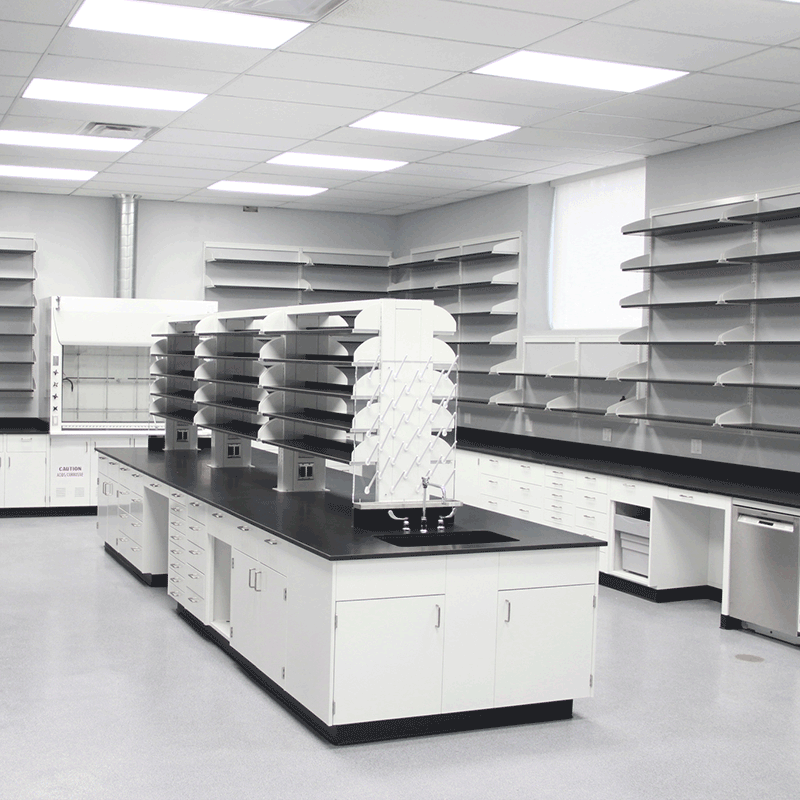

FLX Back-To-Back Services Lab Workbench
One of the most versatile and necessary pieces of equipment in a lab space is the workbench. A vital component for technicians, the award-winning FLX workbench is designed for integrated cooperation and collaboration between the desk spaces.
Custom Lab Furniture
Not every lab fits within a standard footprint.
Formaspace custom lab furniture solutions are designed through a co-creation process that allows project teams to align layout, function, and standards from the start. Whether adapting an existing system or developing something entirely new, the goal is the same: deliver a solution that fits the space, supports the work, and integrates seamlessly with the broader environment.

Durable Lab Storage Cabinet
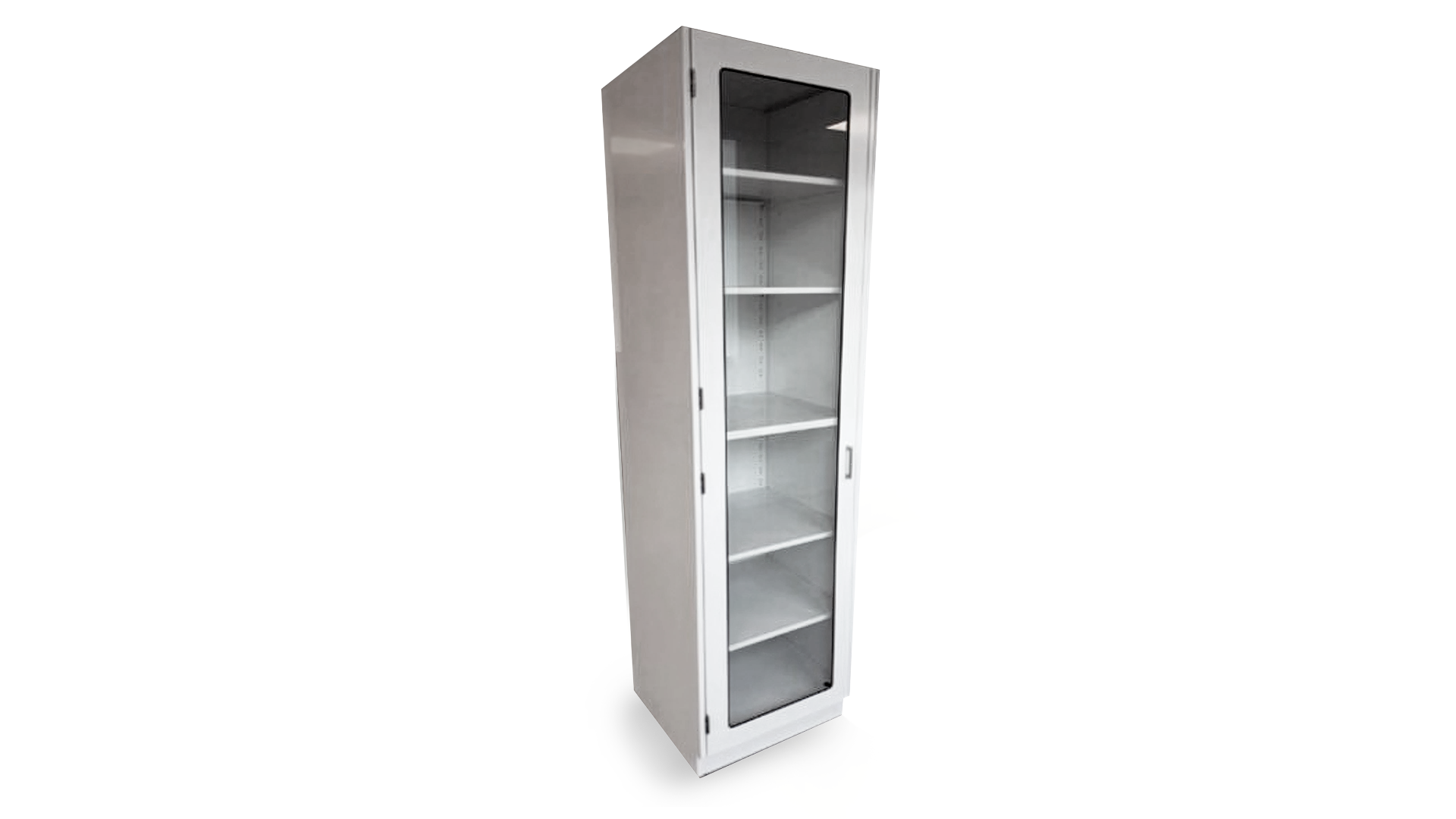
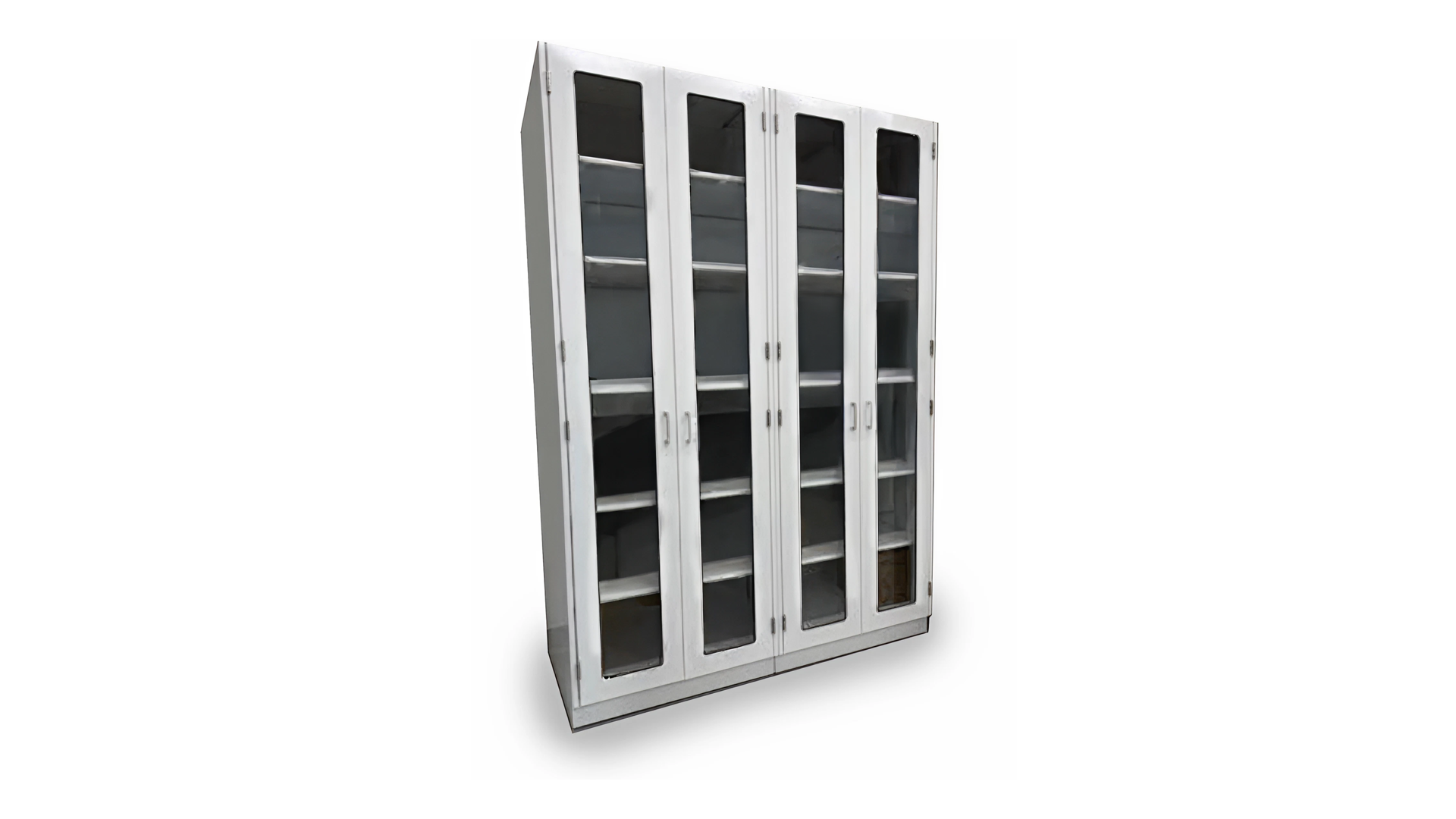
Built for performance and longevity, this powder-coated steel cabinet provides reliable storage for demanding laboratory environments. Offered in base, wall, hanging, and mobile configurations, it integrates effortlessly into diverse workspace layouts. Each unit features precision engineering with full-extension drawers, sound-dampened doors, and a chemical-resistant, baked-on epoxy finish for lasting durability. Designed for function, flexibility, and strength, this casework is an essential component of today’s modern lab.
Specify Formaspace Furniture in Revit
We know how important speed and accuracy are for the A&D community. That’s why Formaspace furniture is now available in Revit — making it simple to specify 5.0 modular lab benches, RGX adaptable casework, and other core products directly in your project layouts.
With BIM-ready files, you can:
- Download and insert Formaspace products into your Revit models instantly
- Ensure precise dimensions and material details for compliance and coordination
- Streamline collaboration with engineers, contractors, and end users
- Specify confidently with furniture that’s built in Austin, TX and backed by 40+ years of expertise
Select Formaspace Verticals
Who is Formaspace?
Formaspace is an American manufacturer of lab and contract furniture located in Austin, Texas. Our experience in this specialized lab furniture segment spans over 40 years, starting in 1981.
We design, engineer, and mass-produce highly customized product solutions quickly and cost-effectively. We focus on innovative solutions and cost-saving manufacturing processes which has solidified our reputation as a trusted partner in the industry with on-time and on-budget projects.
Contact with us

Download Catalogs