
Our Green Story: Sustainable and Environmentally Responsible Workspace Furniture
Formaspace’s Green Story is rooted in durability, lifecycle performance, and responsible material choices. Rather than treating sustainability as a standalone feature or marketing claim, we focus on how furniture performs over decades—reducing replacement cycles, material waste, and environmental impact over time.
Want to learn more about Formaspace materials, manufacturing practices, or lifecycle performance?

Our Approach to Sustainability
At Formaspace, sustainability is built into how we design, manufacture, and support our furniture—not added as a standalone feature. By focusing on durability, adaptability, and responsible material choices, we help reduce waste and support long-term performance across office, laboratory, education, and research environments.
Our environmental practices continue to evolve alongside our products, manufacturing processes, and the needs of the spaces we serve.
By designing and manufacturing furniture in the United States and engineering systems that can be reconfigured, maintained, and reused, Formaspace helps office, laboratory, education, and research environments support long-term sustainability goals without sacrificing performance or flexibility.
support long-term sustainability goals without sacrificing performance or flexibility.
How Formaspace Reduces Environmental Impact
Domestic manufacturing and reduced transportation emissions
Formaspace furniture is manufactured in Austin, Texas using primarily American-made materials. Domestic production reduces emissions associated with overseas manufacturing and long-distance shipping while supporting tighter quality control, material efficiency, and responsible sourcing.
Energy-efficient operations and waste reduction
Our manufacturing facility incorporates energy-efficient HVAC systems, LED and motion-sensor lighting, and facility-wide recycling programs. Excess steel generated during production is recycled, reducing landfill waste and supporting material reuse.
Sustainability Across the Furniture Lifecycle
Sustainability in office, laboratory, and educational furniture is determined over decades—not at the point of installation. Formaspace designs furniture systems with long service life, repairability, and future reconfiguration in mind, helping organizations reduce the environmental cost of renovation, relocation, and replacement.
By extending usable life and supporting evolving needs, durable furniture systems help facilities lower total material consumption over time.
Designed for Reconfiguration and Reuse
Many Formaspace furniture systems are designed to be reconfigured, expanded, or relocated as needs change. This adaptability supports sustainability by allowing organizations to reuse existing furniture during program changes, office reconfigurations, space renovations, or facility expansions—reducing the need for disposal and replacement.
This approach is especially valuable in office, education, and laboratory environments where layouts, technologies, and workflows evolve frequently.
Maintenance, Repair, and Long-Term Support
Long-term sustainability depends on the ability to maintain and repair furniture rather than replace entire systems. Formaspace designs furniture with replaceable components and long-term parts support, helping facilities extend product life and preserve prior investments.
This service-driven approach supports responsible ownership and reduces unnecessary waste across the furniture lifecycle.
Sustainable Materials Used in Formaspace Furniture
Steel frames and durable furniture construction
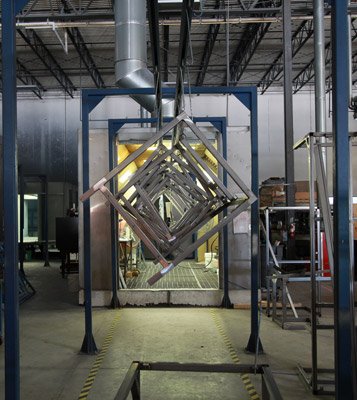
Steel is a highly durable and recyclable material, making it a core component of Formaspace furniture systems. Our steel frames are engineered for long service life and can be recycled at end of use without loss of material integrity.
Why steel supports sustainability:
- Long lifecycle performance reduces replacement frequency
- Fully recyclable at end of life and during manufacturing scrap recovery
- Locally sourced when feasible to reduce transportation impact
Powder-coated finishes with low environmental impact
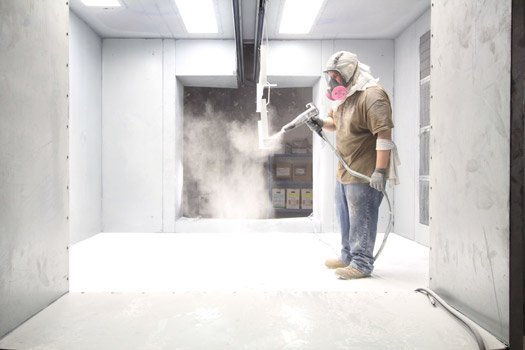
Formaspace uses powder coating for steel frames instead of traditional liquid paint. Powder coating produces fewer volatile organic compounds (VOCs) and creates a durable finish that extends product life.
Key benefits:
- Lower VOC emissions than conventional paint systems
- Long-lasting finish that reduces refinishing and replacement
Durable Work Surfaces for Demanding Environments
Formaspace offers a range of work surfaces designed for long-term use in office, education, laboratory, and industrial settings, including laminate, phenolic resin, epoxy resin, solid hardwood, and stainless steel options. These materials are selected for durability, resistance to wear, and long service life in demanding environments.
Environmental considerations across work surfaces:
- Long service life reduces material consumption over time
- Resistance to heat, moisture, chemicals, and impact minimizes premature failure
- Durable construction supports reuse, repair, and reconfiguration
Laminate work surfaces
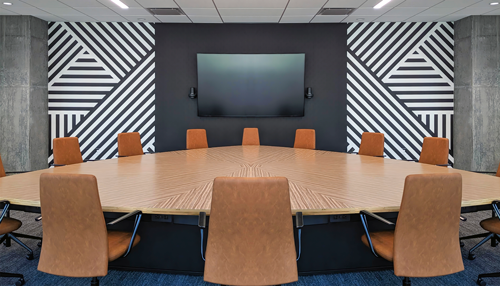
High-pressure laminate work surfaces are designed for long service life in office, education, laboratory, and industrial settings. These surfaces are manufactured using responsibly sourced wood fiber, with select options incorporating post-consumer recycled content. Production processes emphasize material efficiency and low emissions, supporting healthier indoor environments.
Durable laminate surfaces help reduce environmental impact by minimizing early replacement and supporting reuse across evolving spaces.
Phenolic resin work surfaces
henolic resin work surfaces are engineered for durability in education, laboratory, and technical environments. Manufactured from resin-impregnated paper layers compressed under high heat and pressure, phenolic surfaces offer strong resistance to moisture, chemicals, impact, and wear.
Select phenolic products incorporate responsibly sourced paper content, recycled material, and low-emission manufacturing standards. Their long service life helps reduce replacement frequency and overall material consumption.
Epoxy resin work surfaces
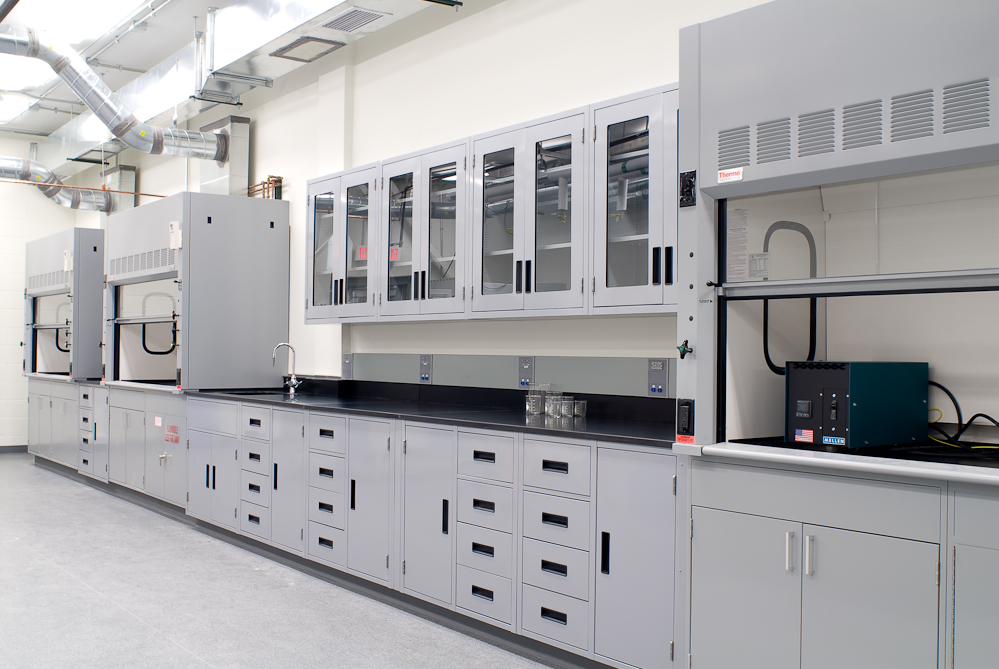
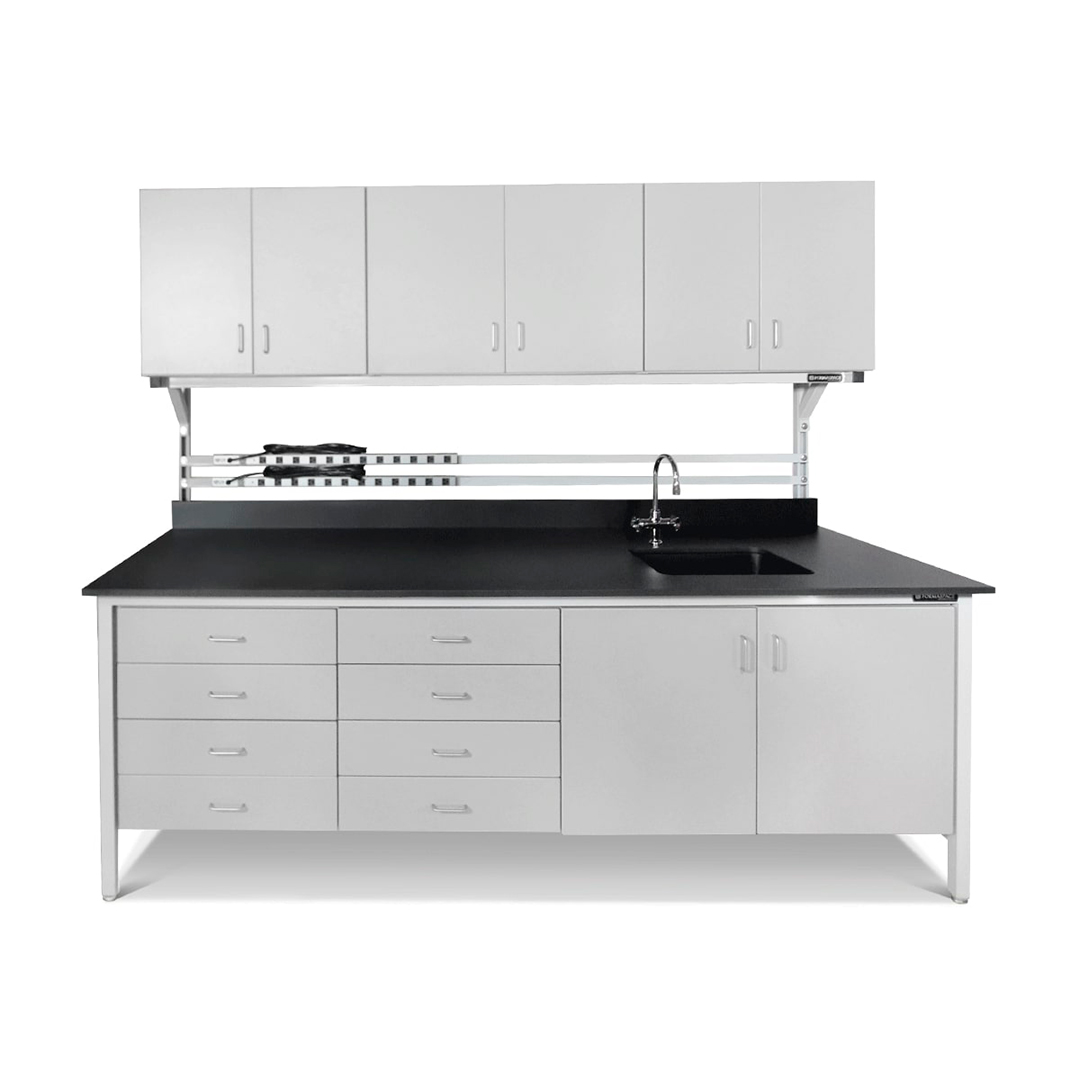
Epoxy resin work surfaces are engineered for exceptional durability in demanding laboratory and instructional environments. Their resistance to chemicals, heat, moisture, fire, and impact allows them to remain in service for decades without premature failure.
Select epoxy options, including Greenstone, incorporate recycled material content and are manufactured to meet stringent indoor air quality standards. This combination of long service life, responsible material content, and low emissions helps reduce environmental impact while maintaining high performance in technical environments.
Solid hardwood workbench tops
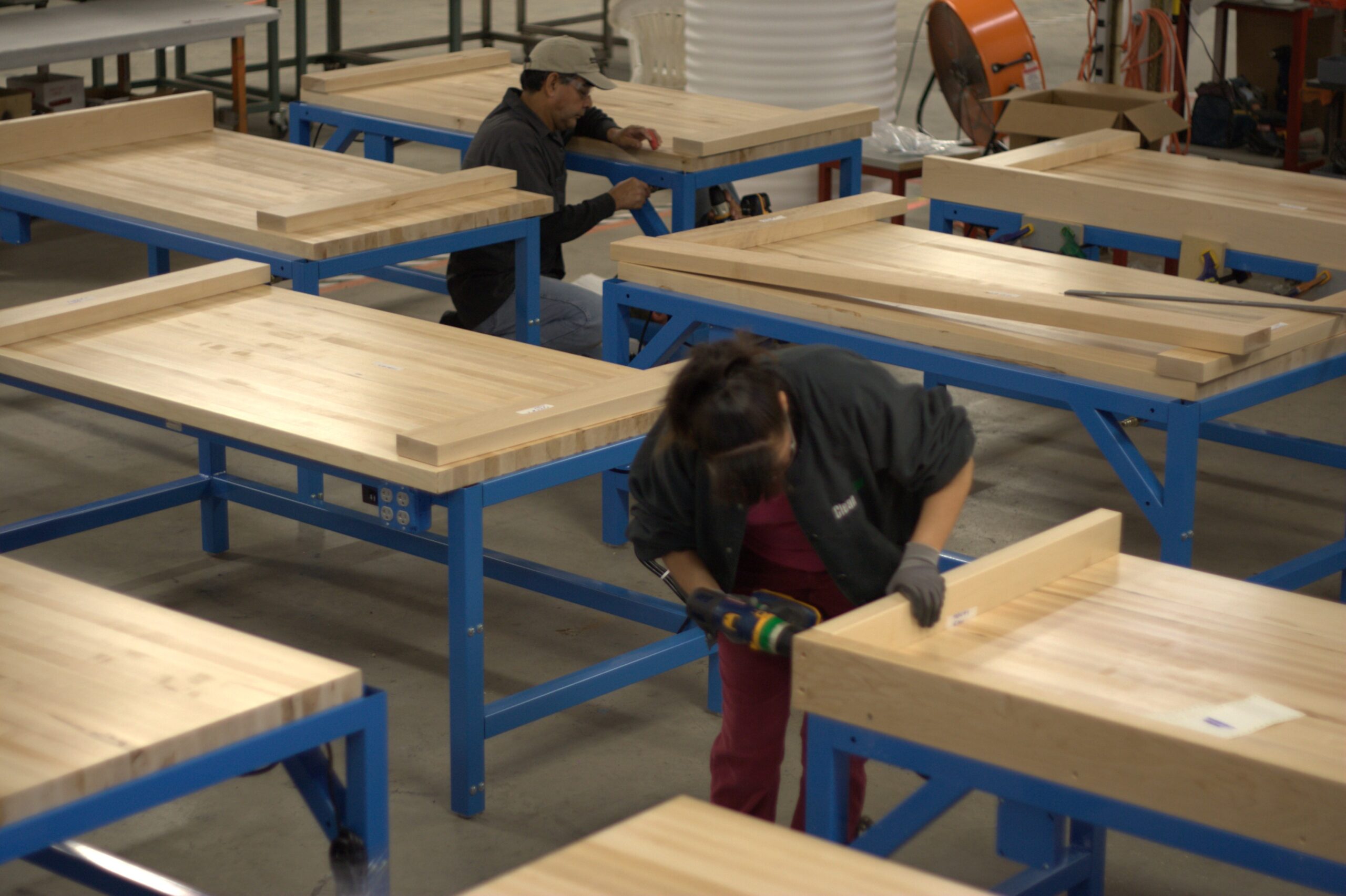
Solid hardwood workbench tops are produced from responsibly managed North American hardwoods, a renewable material resource. Their dense construction supports heavy-duty use, refinishing, and long-term performance.
Manufacturing practices emphasize efficient material use and waste reduction, while the durability of solid hardwood helps extend product life and reduce overall material consumption over time.
Stainless steel work surfaces
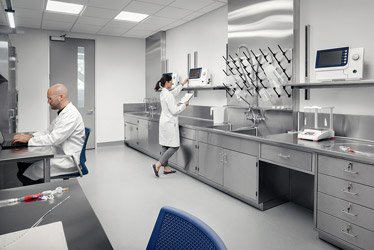
Stainless steel work surfaces are valued for their durability, cleanability, and full recyclability at end of life. Their resistance to corrosion and wear makes them well suited for healthcare, laboratory, industrial, and support environments while supporting circular material use.
Sustainable Packaging and Shipping
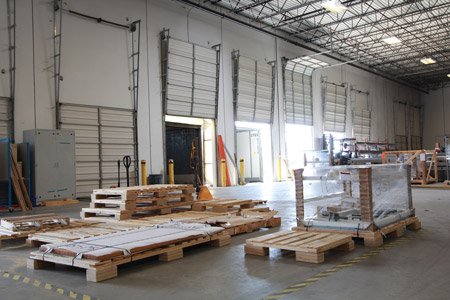
Formaspace uses recyclable wrapping materials and repurposes production scrap to build custom shipping crates. This approach reduces packaging waste while protecting furniture during transit.
Sustainable Packaging and Shipping
What does “Green Story” mean at Formaspace?
It reflects our belief that sustainability is achieved through long-lasting design, responsible manufacturing, and furniture systems that adapt over time.
How does durability support sustainability?
Furniture that lasts longer reduces the need for replacement, lowering material consumption, manufacturing demand, and waste across its lifecycle.
Are Formaspace work surfaces environmentally responsible?
Yes. Our laminate, phenolic, epoxy, hardwood, and stainless steel surfaces are selected for durability, long service life, and responsible material sourcing, helping reduce environmental impact over time.
Does reconfigurable furniture support sustainability goals?
Yes. Furniture systems designed for reconfiguration and reuse allow office, education, and research facilities to adapt to change without discarding existing furniture.
Does Formaspace claim carbon neutrality or offsets?
No. Formaspace does not rely on offsets or broad carbon claims. Our focus is on measurable practices, durability, and long-term performance.
How does domestic manufacturing reduce environmental impact?
How does domestic manufacturing reduce environmental impact?

ARTICLES
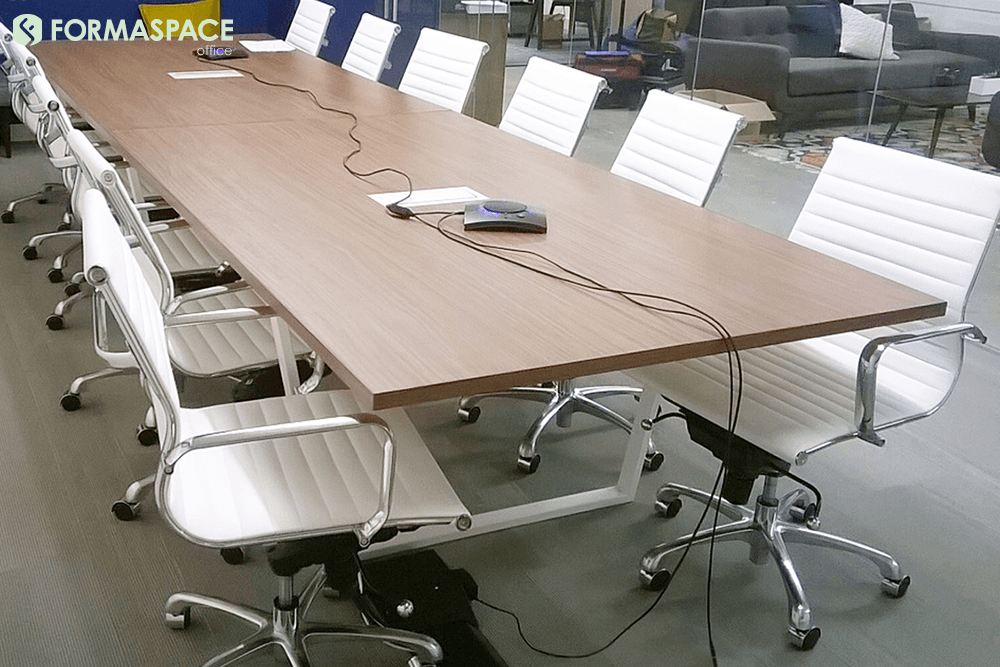
How to Make Your Office a Greener Place to Work
It’s hard to keep up with the latest developments that are transforming today’s office environments. Here’s a quick guide to help you keep up-to-date with the latest eco-friendly tips!
Why is Having Eco-Friendly Office Furniture Important?
Why should we consider the source of where our furniture comes from? Learn more about how we can improve our health, the condition of our economy, ecosystems, and the planet as a whole.
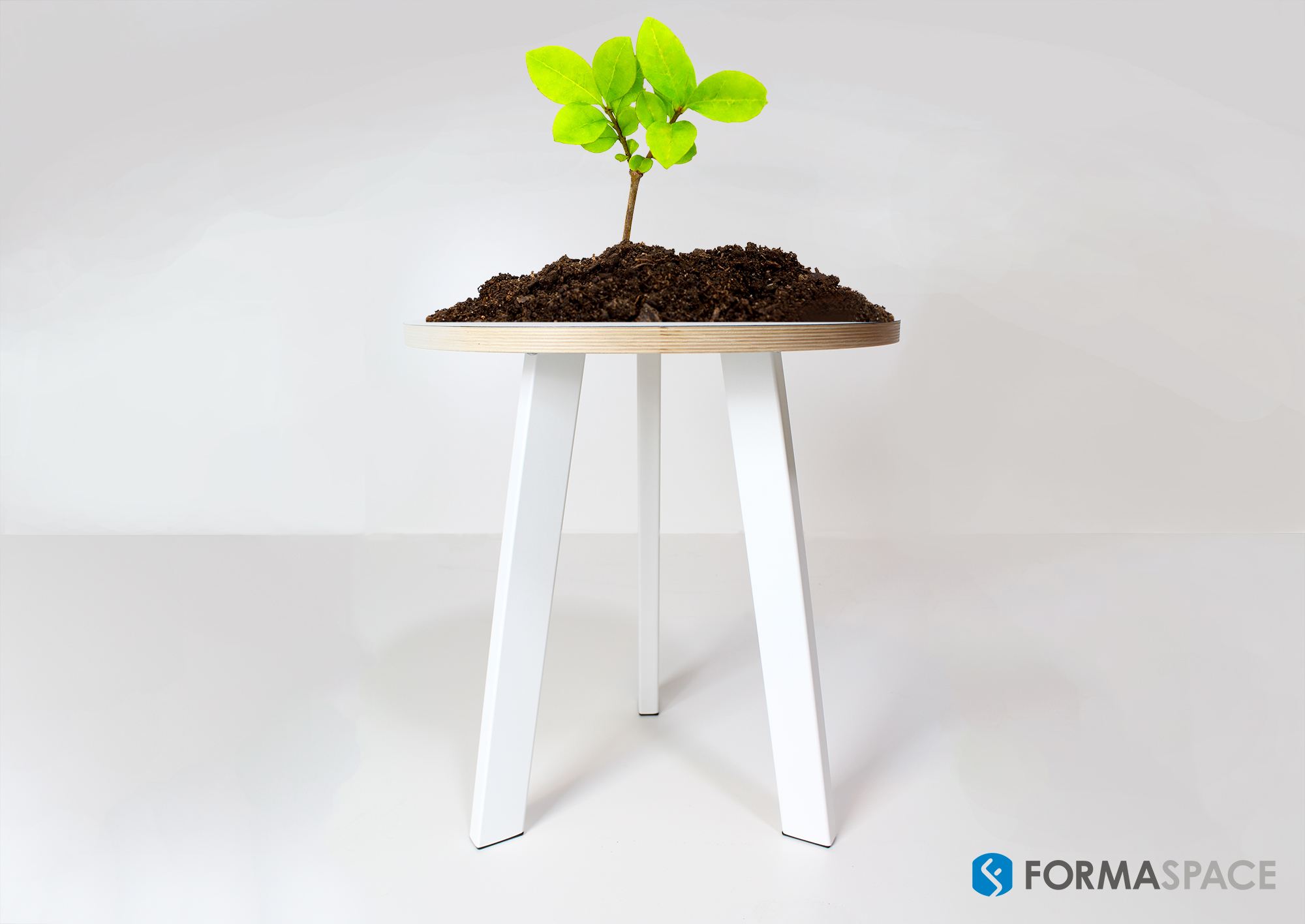
Earth Day: An Infinite Review
Eаrth Dау іѕ аn аnnuаl сеlеbrаtіоn оrgаnіzеd to рrоmоtе есоlоgу, rеѕресt fоr lіfе оn thе рlаnеt, rаіѕе аwаrеnеѕѕ оf thе grоwіng рrоblеmѕ, аnd thе nееd tо рrоtесt Eаrth’ѕ nаturаl rеѕоurсеѕ fоr futurе gеnеrаtіоnѕ.